

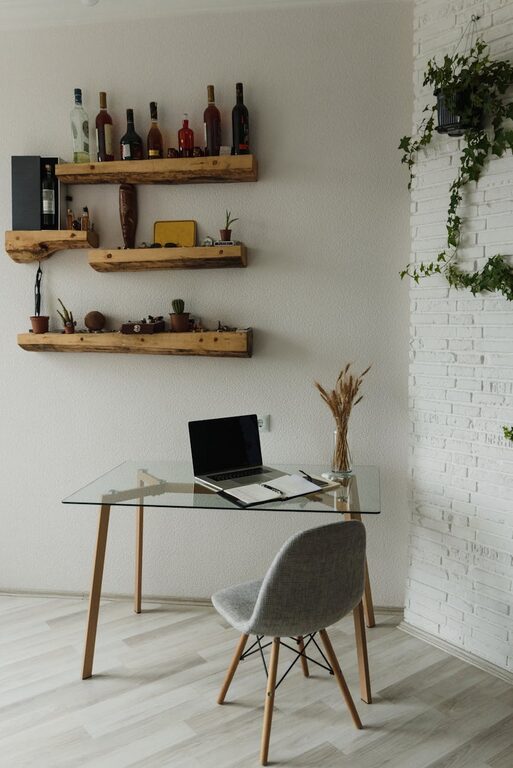
Creating a cozy and inviting home office can make a significant difference in your daily work routine. Whether you’re working remotely full-time or occasionally need a quiet spot for focused tasks, designing a space that feels comfortable and welcoming helps improve your mood and productivity. Here are some practical tips to help you create a home office that you’ll enjoy spending time in.
1. Choose the Right Location
Start by selecting a part of your home that suits your work style and needs. Ideally, this space should have:
– Good natural light to reduce eye strain and enhance mood
– A quiet atmosphere with minimal distractions
– Enough room for your furniture and equipment
If space is limited, consider unused corners, a section of the living room, or even a spot near a window. The key is to find a place that feels separate enough to help you focus.
2. Invest in Comfortable Furniture
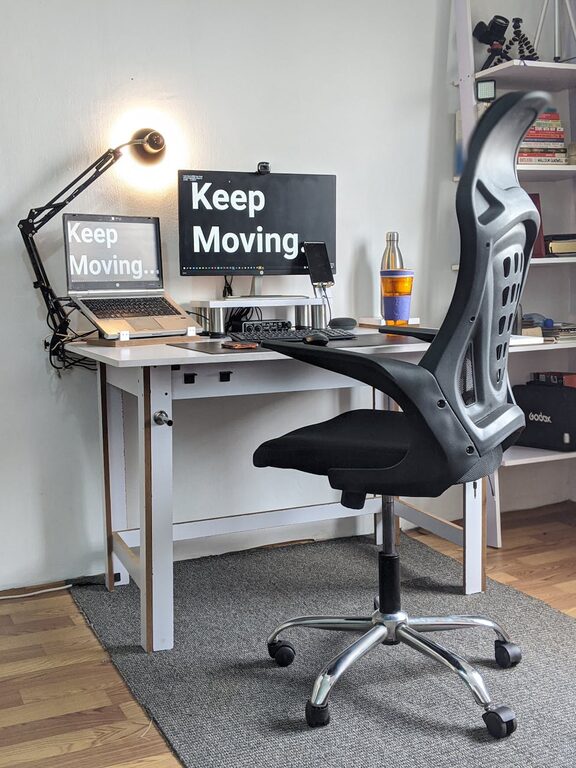
Your chair and desk are the foundation of your home office. Comfort matters because it affects both your health and productivity.
– Choose an ergonomic chair that supports your back
– Use a desk with enough surface space for your computer, notes, and other essentials
– Consider a standing desk or adjustable desk converter to vary your posture throughout the day
Don’t forget to arrange your monitor at eye level to avoid neck strain.
3. Use Warm and Inviting Colors
Color influences mood, so pick shades that create a cozy atmosphere without being distracting.
– Soft neutrals like beige, warm gray, or cream create calmness
– Pastel colors can add a gentle touch of personality
– Accent walls or colorful accessories can provide pops of color without overwhelming the space
Avoid very bright or harsh colors that might lead to eye fatigue.
4. Add Personal Touches and Decorations
Personal items make the space truly yours and can boost motivation.
– Include artwork or photos that inspire you
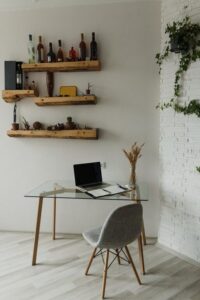
– Add plants to bring a bit of nature indoors; they also improve air quality
– Use decorative objects or stationery that make you smile
Be careful not to clutter your desk. Minimalism helps keep the mind clear.
5. Maximize Lighting
Good lighting is crucial, especially if your work extends into evening hours.
– Position your desk near a window to benefit from daylight
– Use a desk lamp with adjustable brightness and color temperature
– Combine overhead lights with softer lamps to reduce glare and shadows
Consider bulbs that mimic natural daylight, which can keep you alert during work hours.
6. Organize Efficiently
An organized workspace reduces stress and improves focus.
– Use shelves, drawers, and organizers to keep supplies tidy
– Label boxes or containers for easy access
– Keep cables managed with clips or sleeves
Set a routine to tidy your desk at the end of each workday to maintain order.
7. Manage Noise Levels
Noise can be distracting, so try to create a quiet environment.
– Use noise-cancelling headphones or play soft background music
– Install rugs or curtains to absorb sound
– Place your desk away from noisy appliances or busy rooms
If silence is essential, consider soundproofing options such as weatherstripping around doors.
8. Incorporate Technology Wisely
Technology helps but can also clutter your space if not managed well.
– Keep only necessary devices on your desk
– Use wireless accessories to reduce cord clutter
– Invest in a quality webcam and microphone if you join video calls frequently
Be sure to keep tech setup comfortable and accessible to avoid frustration.
9. Create a Relaxation Spot Nearby
Sometimes you need a break to refresh your mind.
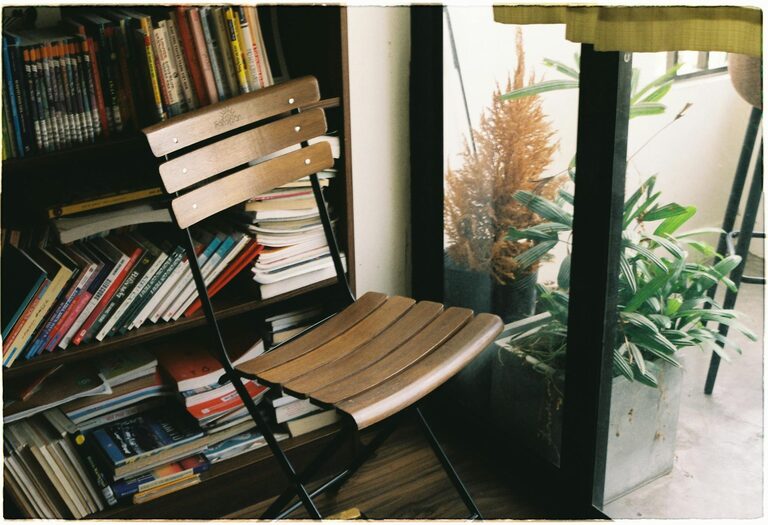
– Add a small armchair or floor cushion for reading or relaxing
– Place a diffuser with calming scents like lavender or eucalyptus nearby
– Use this area to stretch or do light exercises during breaks
Stepping away from your desk gives your mind a rest and increases productivity when you return.
10. Customize Your Workspace Over Time
Remember that your ideal office space may evolve.
– Pay attention to what works and what doesn’t
– Don’t hesitate to rearrange furniture or switch decor for better comfort
– Update organizational tools as your needs change
Looking after your workspace is part of maintaining a healthy and happy work routine.
—
Creating a cozy and inviting home office is about balancing comfort, functionality, and personal style. By thoughtfully outfitting your space with the right furniture, lighting, color, and organization, you can build an environment that supports your work and well-being. Start small and keep adjusting until your home office feels like a place you truly enjoy spending time in.