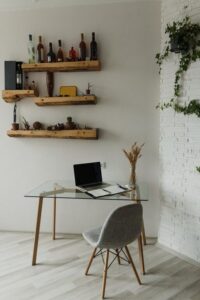



Creating a relaxing home workspace can significantly improve your productivity and overall work experience. With many people working from home, having a designated area that encourages focus and calmness is essential. In this post, we explore practical tips to help you design a peaceful and efficient workspace tailored to your needs.
Why a Relaxing Workspace Matters
A cluttered or uncomfortable environment can lead to distractions and stress, hindering your ability to concentrate. On the other hand, a well-organized and soothing workspace promotes mental clarity, reduces anxiety, and ultimately helps you perform better.
Choose the Right Location
Find a Quiet Spot
Select a quiet corner or room in your home where interruptions are minimal. The more isolated your workspace is from household noise and distractions, the easier it will be to focus.
Consider Natural Light
Position your desk near a window when possible. Natural light improves mood and energy levels and reduces eye strain. If natural light is limited, invest in good-quality lighting that mimics daylight.
Invest in Comfortable Furniture
Ergonomic Chair and Desk
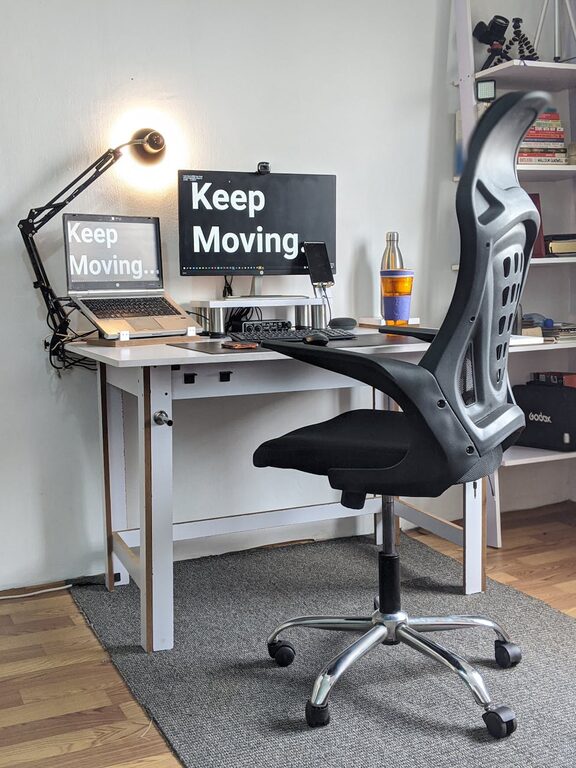
Investing in an ergonomic chair supports your posture and reduces back pain. Likewise, choose a desk height that allows your arms to rest comfortably, preventing strain.
Personalize Your Space
Incorporate comfortable cushions or a small footrest. Personal touches, like a favorite blanket or chair cover, can make your space inviting while maintaining professionalism.
Organize and Declutter
Keep Only Essentials on Your Desk
A clutter-free desk promotes mental clarity. Keep only items necessary for your daily tasks on your workspace while storing other items in drawers or shelves.
Use Storage Solutions
Use organizers, file holders, or baskets to keep papers and office supplies neat. Labeling storage can save time searching for items and reduce clutter.
Incorporate Calming Elements
Plants
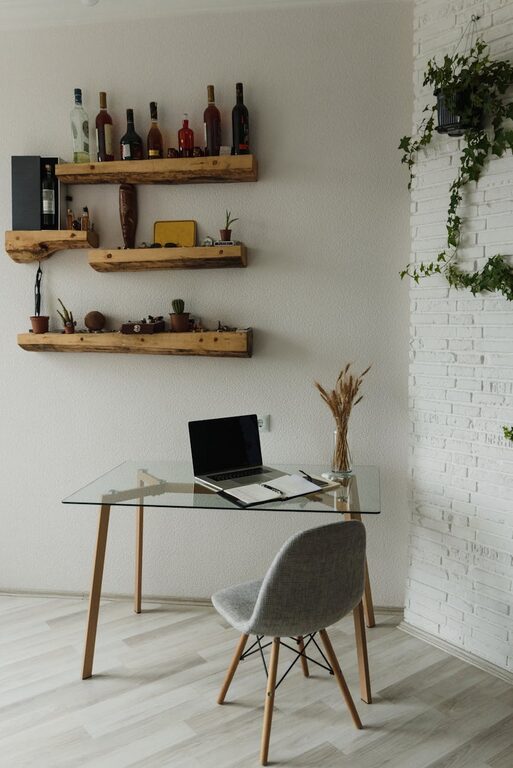
Adding a few indoor plants can improve air quality and introduce a natural, calming element to your workspace.
Soft Colors and Textures
Choose soothing colors like blues, greens, or neutrals for walls, accessories, or desk organizers. Soft textures, like a fabric mouse pad or desk mat, can add comfort.
Minimize Digital Distractions
Manage Notifications
Turn off non-essential notifications on your phone and computer during work hours to maintain focus.
Use Productivity Tools
Apps and software designed to block distracting websites or track your work time can help maintain discipline in your schedule.
Establish a Routine
Set Work Hours
Define clear working hours to create a boundary between work and personal life. This division helps prevent burnout and maintains consistency.
Take Regular Breaks
Schedule short breaks to stretch, walk, or relax. Stepping away from your desk helps you recharge and maintain productivity over the day.
Personal Wellness in Your Workspace
Hydration and Snacks
Keep water and healthy snacks nearby to maintain energy levels without the need to leave your workspace frequently.
Air Quality and Temperature
Ensure your workspace is well-ventilated and at a comfortable temperature. Fresh air and a pleasant environment aid concentration.
Keep It Flexible
While consistency is important, occasionally changing your workspace layout or decorations can refresh your environment and prevent stagnation.
—
Creating a relaxing home workspace is about combining comfort, organization, and an atmosphere that promotes calmness. By thoughtfully designing your space, you can enhance your focus, reduce stress, and boost your productivity effectively. Start with small changes and tailor your workspace to what makes you feel most comfortable and energized.